Arborist Pruning in Reno, NV
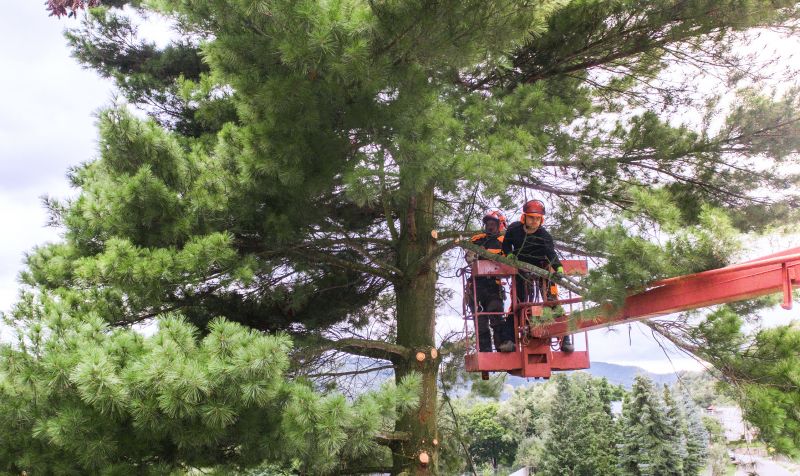
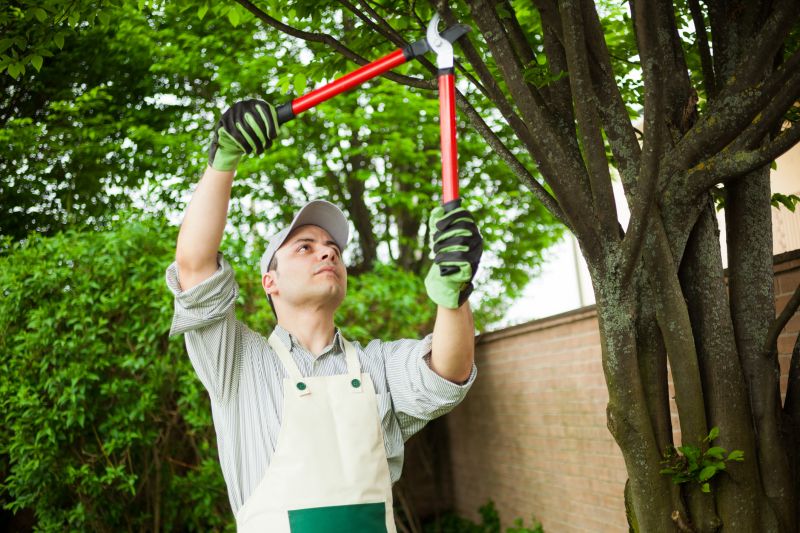
Arborist pruning services involve carefully trimming and shaping trees to promote healthy growth, improve appearance, and ensure safety on residential properties. This work can include removing dead or diseased branches, thinning dense canopies, and reducing the size of overgrown trees to prevent interference with structures or power lines. Homeowners often request these services to maintain the health and aesthetics of their trees, address safety concerns, or prepare trees for seasonal changes.
Before requesting arborist pruning, property owners should consider the specific needs of their trees and the desired outcomes, such as enhancing curb appeal or reducing risk. It is helpful to understand the types of pruning techniques used, whether the work involves crown thinning, crown reduction, or deadwood removal, and to be aware of any local regulations or guidelines related to tree maintenance. Clear communication about the scope of the project can help ensure the desired results are achieved safely and effectively.
Many property owners in Reno, NV look into Arborist Pruning for repairs, replacements, upgrades, and appearance-related improvements.
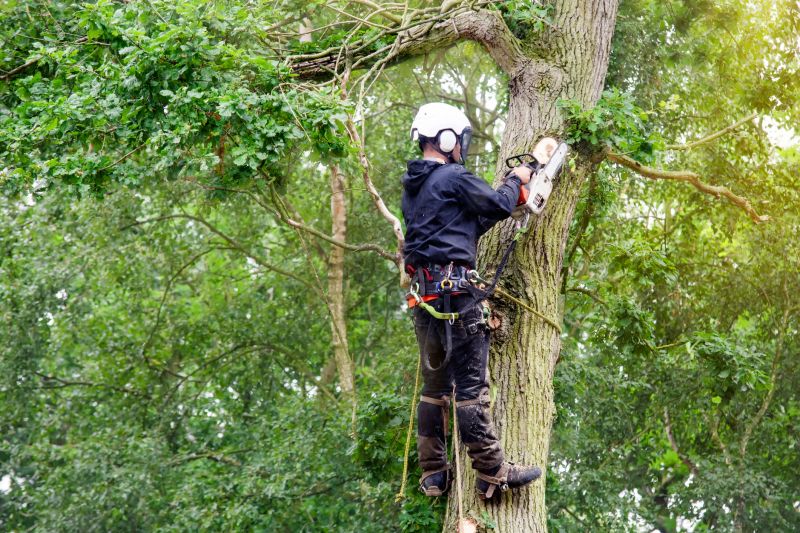
Tree Health And Safety
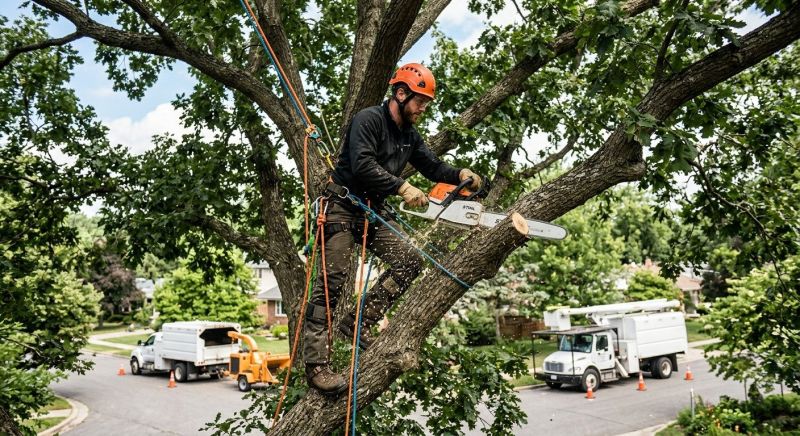
Pruning helps maintain the health of trees and reduces the risk of falling branches.
Property Appearance
Proper pruning enhances the overall look and curb appeal of residential and commercial landscapes.
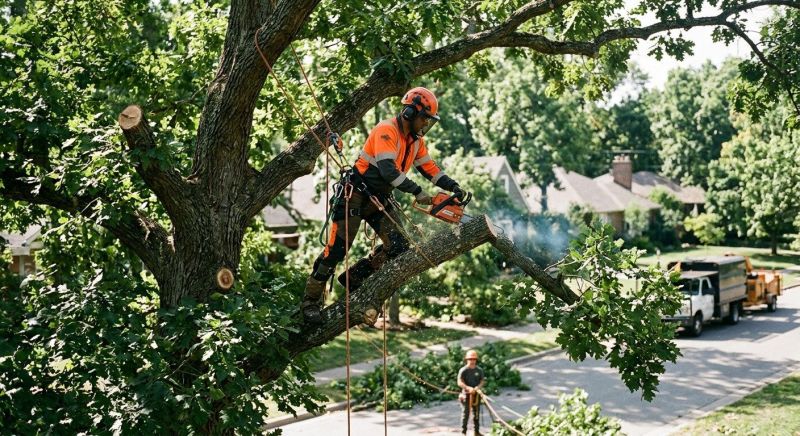
Growth Management
Selective trimming encourages healthy growth and prevents trees from becoming overgrown or hazardous.
Arborist Pruning in Reno, NV
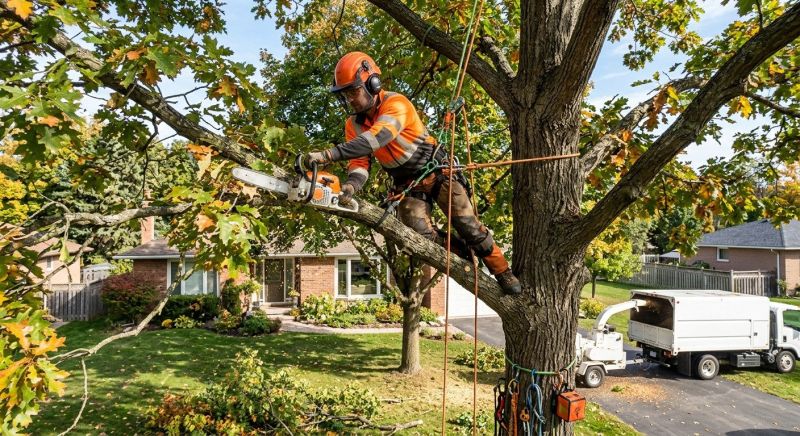
Arborist pruning services involve carefully trimming and shaping trees to promote healthy growth, improve appearance, and ensure safety on residential properties. This work can include removing dead or diseased branches, thinning dense canopies, and reducing the size of overgrown trees to prevent interference with structures or power lines. Homeowners often request these services to maintain the health and aesthetics of their trees, address safety concerns, or prepare trees for seasonal changes.
Before requesting arborist pruning, property owners should consider the specific needs of their trees and the desired outcomes, such as enhancing curb appeal or reducing risk. It is helpful to understand the types of pruning techniques used, whether the work involves crown thinning, crown reduction, or deadwood removal, and to be aware of any local regulations or guidelines related to tree maintenance. Clear communication about the scope of the project can help ensure the desired results are achieved safely and effectively.
Many property owners in Reno, NV look into Arborist Pruning for repairs, replacements, upgrades, and appearance-related improvements.
Common Arborist Pruning Jobs
Tree thinning - reducing dense foliage to improve air circulation and light penetration.
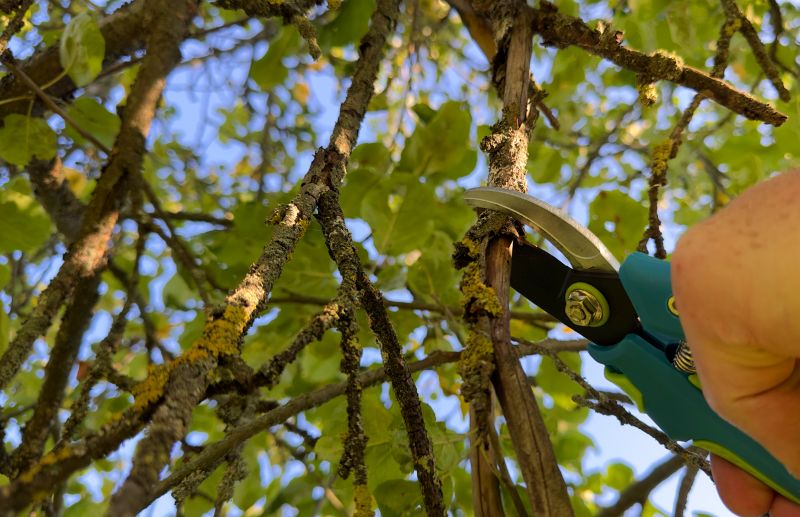
Deadwood removal - eliminating dead or decaying branches to prevent potential hazards.
Structural pruning - shaping trees to promote healthy growth and maintain desired form.
Crown reduction - decreasing the size of a tree’s canopy to prevent interference with structures or power lines.
Formative pruning - guiding young trees to develop strong, healthy frameworks.
Safety pruning - removing weak or hazardous branches to protect property and people.
Arborist Pruning Questions
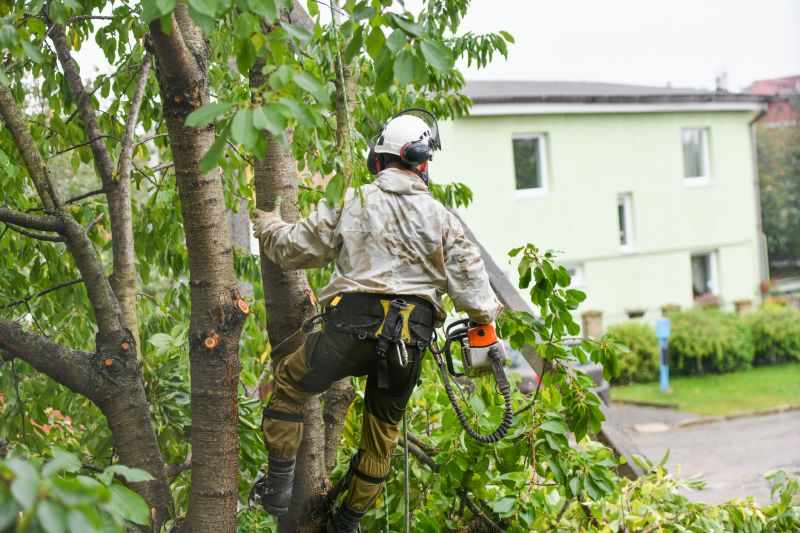
What is arborist pruning? Arborist pruning involves selectively trimming trees to maintain health, improve appearance, and remove hazardous branches.
When should trees be pruned? Trees should be pruned during their dormant season or when there are signs of disease, damage, or safety concerns.
What types of pruning are common? Common types include crown thinning, crown reduction, and deadwood removal to promote growth and safety.
Why hire a professional for pruning? Professionals ensure proper techniques are used to protect tree health and prevent damage to property or people.
Request Arborist Pruning in Reno, NV
Use the quote form on this page to share the basics of your project and request more information for the type of work you need.